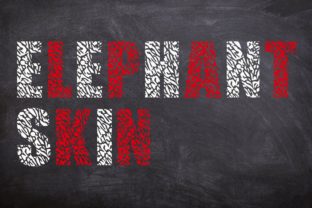
Elephant Skin Font for Creative Makers
There’s something about the way Elephant Skin catches the eye that makes it perfect for handmade projects. I was working on a set of candle labels the other day, and I knew I needed a font that felt playful but still had character. Elephant Skin fit just right—its slightly irregular edges and bold strokes gave each label a unique personality, like it was hand-drawn by a friendly giant.
The visual personality of Elephant Skin is warm and approachable. It’s not too rigid or formal, which makes it ideal for anything from rustic farmhouse signs to modern wedding invitations. The font has a charm that feels both casual and creative, making it a go-to choice when I want to add a little flair without overcomplicating things.
I’ve used Elephant Skin on greeting cards, planner pages, and even digital printables. Its style works well with a variety of designs, whether I’m creating a simple birthday card or a more elaborate seasonal sign. The font has a kind of energy that feels inviting, like it’s reaching out to the viewer and saying, “Hey, look at me.”
Practical Uses for Elephant Skin
One of my favorite ways to use Elephant Skin is on product labels. Whether I’m labeling candles, soaps, or small handmade items, the font adds a fun and memorable touch. It’s also great for stickers and printable wall art, where the boldness of the letters can really stand out. When I design a sticker sheet, I often pair Elephant Skin with a clean sans serif font for balance, letting the display font take center stage while keeping the rest of the text easy to read.
For wedding stationery, Elephant Skin has been a hit. I designed a welcome board for a couple’s reception using the font, and it looked amazing. The font’s playful yet elegant feel worked well with the overall theme. I also used it on thank-you cards, where its uniqueness made the message feel more personal and heartfelt.
When I create seasonal products, like holiday tags or Christmas cards, Elephant Skin gives them a fresh, original look. It’s not the kind of font you see everywhere, which is a big plus for handmade sellers who want their work to stand out. The font’s versatility means it can be used in many different ways, from packaging design to boutique tags.
Designing with Elephant Skin
Using Elephant Skin in design software is straightforward, but there are a few things to keep in mind. For cutting machines like Cricut or Silhouette, I always test the font at a small size to make sure the details don’t get lost. Sometimes, the swashes and ligatures in the font can cause issues if they’re too intricate, so I simplify the text when necessary.
When designing for printed cards or physical merchandise, I check how the font looks in different sizes and weights. Elephant Skin works best for short phrases, names, or titles. It’s not ideal for long paragraphs, but that’s okay—it’s meant to be a display font, not a body text font. I often use it for headings, logos, or decorative elements that need a bit of personality.
Pairing Elephant Skin with other fonts is another important consideration. I tend to go with a simple serif or sans serif font for the supporting text, which helps balance the boldness of the display font. This creates a cohesive look that’s both professional and creative. For digital downloads, I make sure the font is compatible with common file formats and that the licensing allows for commercial use if needed.
Branding and Customer Connection
Using Elephant Skin in my shop has helped create a consistent brand identity. Customers recognize the font on my product listings, packaging, and social media posts, which builds familiarity and trust. It’s a subtle but powerful way to reinforce my brand’s personality.
The emotional appeal of Elephant Skin is another reason I love it. It feels friendly and approachable, which is exactly the vibe I want for my handmade products. Whether it’s on a tote bag, a mug, or a seasonal sign, the font adds a sense of warmth and creativity that resonates with my audience.
When I design shop materials, like listing images or mockups, I always include Elephant Skin to show how the font looks in real-life applications. It helps customers visualize the final product and makes the design process more transparent. I also use it on digital templates, where its boldness makes the text pop against the background.
Overall, Elephant Skin has become an essential part of my creative toolkit. It’s a font that brings joy to the design process and adds a unique touch to every project. Whether I’m working on labels, invitations, or digital printables, it never fails to bring a little extra flair to the table.