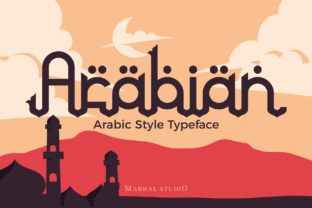
Arabian Font: Elegant Display Type
The Arabian font is a striking display type that blends modern design with traditional Arabic influences. Its elegant curves and refined structure make it ideal for editorial projects where visual impact matters. Whether used in headlines, covers, or branding elements, Arabian adds a touch of sophistication that elevates any publication.
Designed with a balance between style and clarity, Arabian maintains readability even at smaller sizes. This makes it suitable for a range of editorial applications, from blog headers to ebook titles. Its unique character set supports both Latin and Arabic scripts, offering flexibility for multilingual content.
Using Arabian in Editorial Design
For publishers and designers, Arabian provides a versatile tool for creating visually engaging layouts. In magazine covers, it can serve as a bold headline that draws attention while maintaining a sense of refinement. For blog headers, it adds personality without overwhelming the reader’s experience.
In ebook titles, Arabian helps establish a strong first impression. When paired with a clean serif or sans serif font for body text, it creates a harmonious contrast that enhances readability. This pairing is especially useful for digital publications where visual hierarchy plays a key role in guiding the reader.
Applications Across Content Formats
Arabian works well in a variety of formats, including recipe ebooks, wedding guides, and coaching workbooks. For a lifestyle blog, using it in section headings or pull quotes can create a cohesive visual theme that reinforces brand identity. In printable planners, it adds a stylish touch to daily prompts or motivational quotes.
Newsletter designers can use Arabian for lead magnets or section titles, making the content more engaging and memorable. In digital magazines, it helps define the tone and mood, whether the focus is on luxury, culture, or creativity.
Supporting Visual Hierarchy and Brand Identity
One of the key strengths of Arabian is its ability to support visual hierarchy. As a display font, it naturally commands attention when used in headings, cover text, or accent typography. This makes it an excellent choice for creating clear, structured layouts that guide readers through the content.
Its consistent stroke weight and balanced proportions ensure that it remains legible across different mediums. Whether printed on paper, viewed on a screen, or exported as a PDF, Arabian retains its elegance and clarity. This reliability is essential for publications that need to maintain a professional appearance across platforms.
Best Uses for Arabian
Arabian excels when used for titles, subtitles, and section headings. It adds a refined touch to chapter openers in books or long-form articles. As a logo design element, it conveys a sense of tradition and modernity, making it suitable for brands that want to blend cultural heritage with contemporary aesthetics.
While not ideal for large blocks of text, Arabian can be used effectively in short phrases, such as quote graphics or social media captions. Its visual appeal makes it a strong choice for packaging design or web banners where a bold, stylized look is needed.
Pairing Arabian with Other Fonts
When using Arabian in editorial projects, consider pairing it with complementary fonts for optimal readability. A classic serif font like Georgia or Times New Roman can provide a strong base for body copy, allowing Arabian to shine as a highlight or title font.
For a more modern approach, pair it with a clean sans serif like Helvetica or Roboto. This combination works well for newsletters, infographics, or website headers where simplicity and clarity are important. In some cases, a script or handwritten font can add a personal touch when used alongside Arabian for accents or decorative elements.
Considerations for Commercial Use
Before using Arabian in commercial projects, check the licensing terms. Many premium fonts allow for use in ebooks, templates, printables, and paid newsletters, but specific restrictions may apply. Always verify that the license covers the intended use, especially if the project involves client work or public distribution.
For independent creators and content brands, understanding font licensing ensures that the design assets used are legally compliant. This is particularly important for those who sell digital products or offer design services to clients.
Enhancing Reader Engagement
Arabian contributes to reader engagement by adding a distinctive visual element to content. Its presence in headlines, cover art, or graphic elements can make a publication more memorable and shareable. This is especially valuable for blogs, magazines, and online courses where visual appeal plays a role in user retention.
By using Arabian thoughtfully, designers can create a stronger emotional connection with their audience. Whether it's through a beautifully designed ebook title or a compelling newsletter header, the font helps convey the tone and purpose of the content.
Conclusion
Arabian is a powerful addition to any designer’s toolkit. Its blend of elegance and modernity makes it suitable for a wide range of editorial projects. From blog headers to publication branding, it offers a versatile way to enhance visual storytelling and reader experience.
With careful application and thoughtful pairing, Arabian can elevate the overall quality of digital and print content. Its versatility, readability, and aesthetic appeal make it a valuable asset for publishers, bloggers, and creative professionals looking to stand out in a competitive design landscape.